
Will a Smart Mortise Lock Fit My Door? (Retrofit vs Replacement)
Whether a smart mortise lock fits your door depends on thickness, construction, and existing prep, not on the lock model you like best. BTRtec locks fit over 99 percent of residential entry doors across Canada and the United States, and the compatibility check confirms your specific door before you buy, with installation included in the purchase price.
Before you buy any smart lock, there is one question worth more than every feature comparison combined: will it actually fit the door you have. Most people skip it, order on looks and reviews, and find out the hard way. With a premium mortise lock the wrong answer is an expensive one, because this is hardware that goes into the door, not a gadget that clips onto it, and the door cannot be returned.
This guide answers the fit question honestly. It explains the difference between a retrofit lock and a replacement lock, the factors about your door that decide which one you can have, and the one reliable way to know for certain before you spend anything. If you came here after searching for a retrofit smart lock, read the next section first, because the word means two very different things and only one of them is an upgrade.

Retrofit vs replacement: what people get wrong about the word
When most guides say retrofit smart lock, they mean an overlay: a motorized unit that clamps onto the inside of your existing deadbolt and turns the thumb-turn for you. You keep your old cylinder, your old key, and your old bolt. Installation takes ten minutes and a screwdriver. For a renter who cannot change the door, that is the right tool, and we will not pretend otherwise.
But understand what it is. An overlay retrofit makes your existing lock smart. It does not make it better. The bolt holding your door is the same builder-grade deadbolt it was before, now with a motor on the back. If your goal is convenience, that is fine. If your goal is a genuinely stronger, more permanent lock, an overlay cannot give it to you, because it never touches the part that does the locking.
A replacement is the other path. You remove the old lock and fit a new lock body into the door. A premium smart mortise lock is a replacement: the steel body seats into a pocket in the edge of the door, and the readers and keypad mount on the faces. This is the upgrade an overlay cannot be, and it is also the one where fit actually matters, because now the door has to be able to take the new body.
What actually decides whether your door can take one
Fit is not guesswork, but it is also not something you can settle with a tape measure on your own. These are the things an installer assesses, and why each one can change the answer.
Door thickness. Most North American exterior doors are one and three-quarter inches thick, which is the standard a premium mortise lock is built for. Older doors, and many interior doors, are one and three-eighths inches, and that thinner door changes what can be fitted. Thickness is the first thing that has to be right.
Door construction. A solid door, wood or a solid-core slab, can carry a heavy mortise body and hold it for decades. A hollow-core door cannot. A knock that sounds empty is a hint that a door is hollow, but it is only a hint, not a verdict: some hollow doors are reinforced, and some solid doors still lack the internal lock block or stile depth a mortise body needs. This is one of several reasons the final call is made by someone who has fitted these locks, not by tapping on the door.
Existing preparation. This is the one that surprises people. If your door currently has a bored cylindrical lock, two round holes drilled through the face, fitting a mortise lock means cutting a new rectangular pocket into the edge of the door and dealing with those old round holes, which the new hardware has to cover cleanly or the door needs a filler. If your door already has a mortise pocket, you are matching an existing prep, which is cleaner, but mortise backsets are not standard across brands, so even a mortise-to-mortise change has to match the pocket you already have. The shape and the measurements of what is in your door now decide how involved the change is.
Backset and stile width. The backset is the distance from the edge of the door to the centre of the lock, and the stile is the width of the door's vertical edge rail. A premium handle and body need enough stile to sit in without running off a narrow door, and the backset has to match the hardware. On most standard doors this is straightforward. On a slim, glass-heavy door it can be the thing that decides the answer.
The doors that need a closer look
Some doors are not standard, and on those the fit question is never a quick yes or no. A glass or mostly-glass door often has too little stile for a full handle set. A pivot door, a custom door, or a door with a multi-point system, where lifting the handle throws bolts into the top and bottom of the frame, is a specialized case, and we cover those in our guide to smart locks for multi-point, pivot, and custom doors. A condo or high-rise suite entry door is usually a fire-rated assembly with its own rules, and what you can do to it is covered in our guide to smart locks for condos and apartments. If your door is any of these, do not assume, and do not let anyone cut first and check later.
The reliable way to know: send photos
Here is the honest part. You can gather useful clues yourself in five minutes: measure the thickness at the door's edge, notice whether it sounds solid or hollow, and look at the edge to see round bored holes or a rectangular mortise pocket. Those clues tell you which conversation you are about to have. What they cannot give you is the final answer, because the tolerances on a premium mortise body are tight, a bored-to-mortise conversion has to account for the old holes, and a photo of the actual door beats a guess every time.
That is exactly why the right first step with a lock like this is not the checkout button. It is a compatibility check. You can check if your door is compatible and upload photos, and you get a straight answer back, usually within a day, including the answer that your specific door is not a fit. That last part matters: a lock that does not fit your door is not a deal, however good the price.
What most people get wrong
The biggest mistake is shopping the lock before checking the door. People fall for a model, order it, and only then discover their door is hollow, thin, glass-stiled, or fire-rated. The lock was never the variable. The door was.
The second mistake is treating an overlay retrofit and a real replacement as the same decision. They are not. One adds convenience to the lock you already have. The other replaces it with something stronger. Knowing which one you actually want saves you from buying the wrong category entirely.
The third is assuming a non-standard door rules you out. Often it does not. It just means the answer comes from a person who has fitted hardware to a door like yours before, not from a product page.
How BTRtec handles this
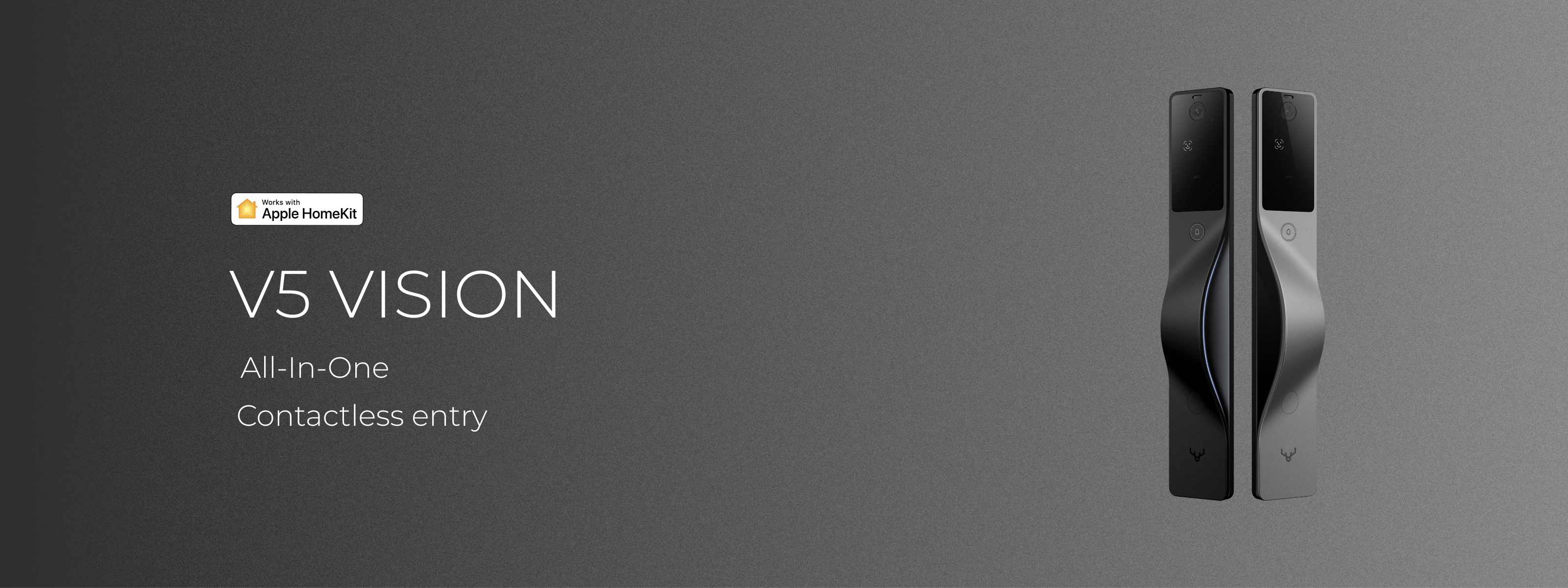
BTRtec sells premium smart mortise locks and installs them, and every order starts with the fit question rather than ending with it. Over more than six years we have installed over 10,000 locks across North America, including on the non-standard doors the mass-market brands quietly avoid, which is how we know that the door, not the lock, is what usually decides the outcome. Upload photos and measurements through the compatibility check and our team confirms whether your door can take a lock before you commit, usually within a day. If the X9, our handle-integrated fingerprint model, suits your door, that is a clean place to start. If your door needs something else, or cannot take a mortise lock at all, we will tell you. A proper install also finishes clean: where a door is converted from a bored lock, the new hardware is fitted to cover the old holes, so you are left with a finished door rather than a patched one. You can see real installs in our gallery. For the underlying difference between this and a clip-on lock, start with what a smart mortise lock is, and for what the fitting itself involves, see our guide on mortise lock installation.
FAQ
Will a smart lock fit any door?
No. A premium smart mortise lock needs a door that is thick enough, solid rather than hollow, and has enough stile width, and the existing preparation and backset affect the work. An overlay retrofit lock fits more doors but only adds convenience to your existing bolt.
What is the difference between a retrofit and a replacement smart lock?
A retrofit overlay clamps onto your existing deadbolt and turns it for you, keeping your old bolt and key. A replacement removes the old lock and fits a new body into the door. A smart mortise lock is a replacement, which is why it is stronger and why fit matters.
How thick does my door need to be for a smart mortise lock?
Most premium mortise locks are built for the standard one and three-quarter inch exterior door. Thinner doors, often one and three-eighths inches, change what can be fitted, which is why the door is measured before anything is cut.
Can I put a smart mortise lock on a hollow door?
Generally no. A hollow-core door cannot reliably carry or hold a heavy mortise body. Solid wood and solid-core doors can. A hollow sound when you knock is a clue, but the final assessment is made by an installer.
How do I know for sure if a smart lock will fit my door?
Gather the basics, the thickness, whether it is solid or hollow, and whether the edge has bored holes or a mortise pocket, then upload photos through a compatibility check. Because backsets and prep vary, photos of your actual door give the only reliable answer.
How long does a door compatibility check take?
After you upload photos of your door through the compatibility check, BTRtec typically replies within 24 hours with a straight answer on fit. There is no obligation to buy, and if the door is not a fit, you find out before spending anything.
Do older Canadian homes usually have doors that fit a smart mortise lock?
Often, yes. BTRtec locks fit over 99 percent of residential entry doors in Canada and the United States, including many older solid-wood doors, though thickness can vary from the modern one and three-quarter inch standard, which is exactly why the door is measured before anything is cut.

Find out what your door can take
The fastest way to know is to stop guessing and ask. See the range of premium smart mortise locks, then check if your door is compatible by uploading a couple of photos. There is no pressure to buy, and a straight answer about your door, including when the answer is no, is worth more than any spec sheet.
There is no pressure to buy. The first step is simply finding out what your door can take.
Check if your door fits