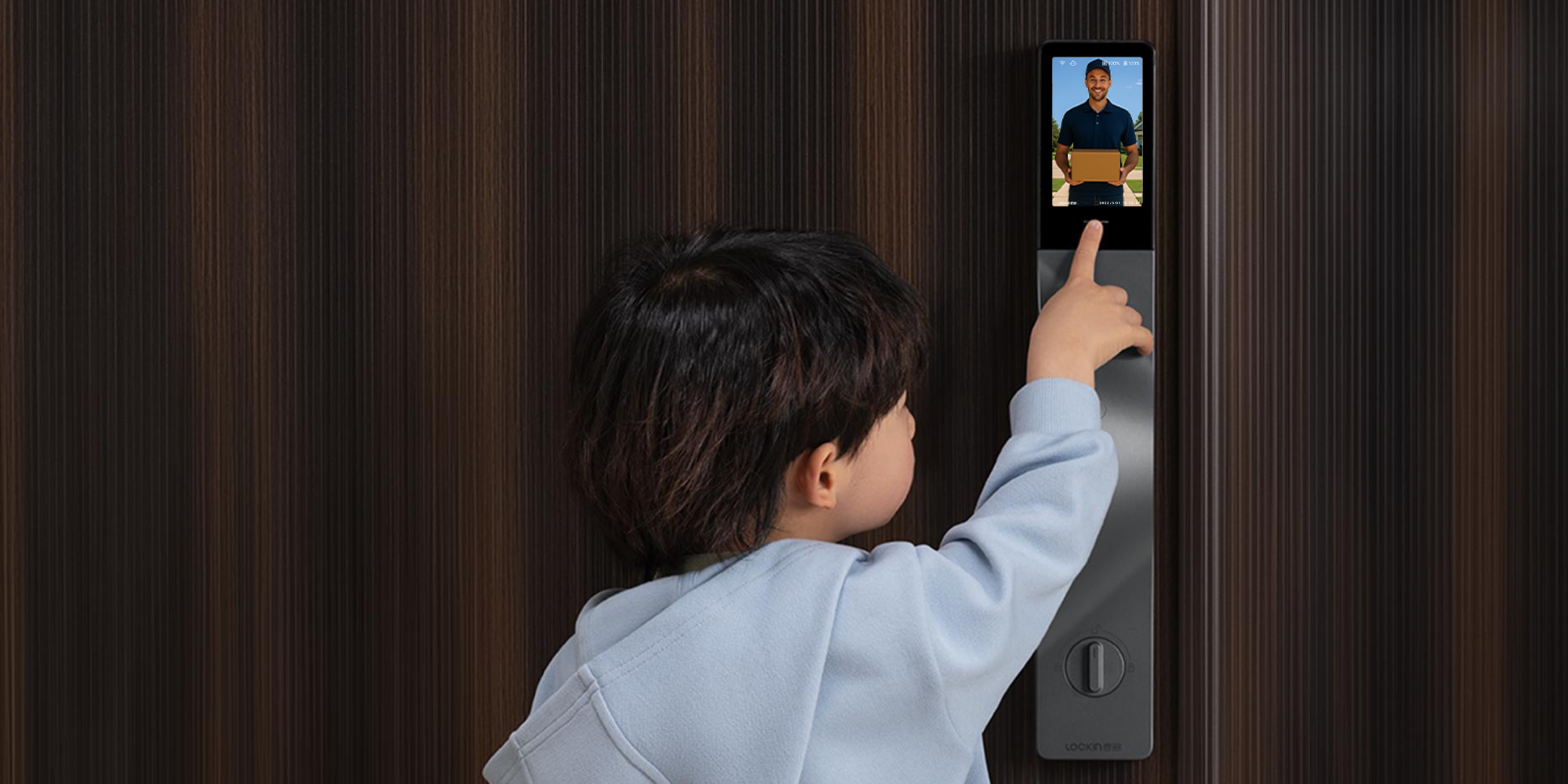

Article: What Is a Smart Mortise Lock? (And How It Differs From a Deadbolt)
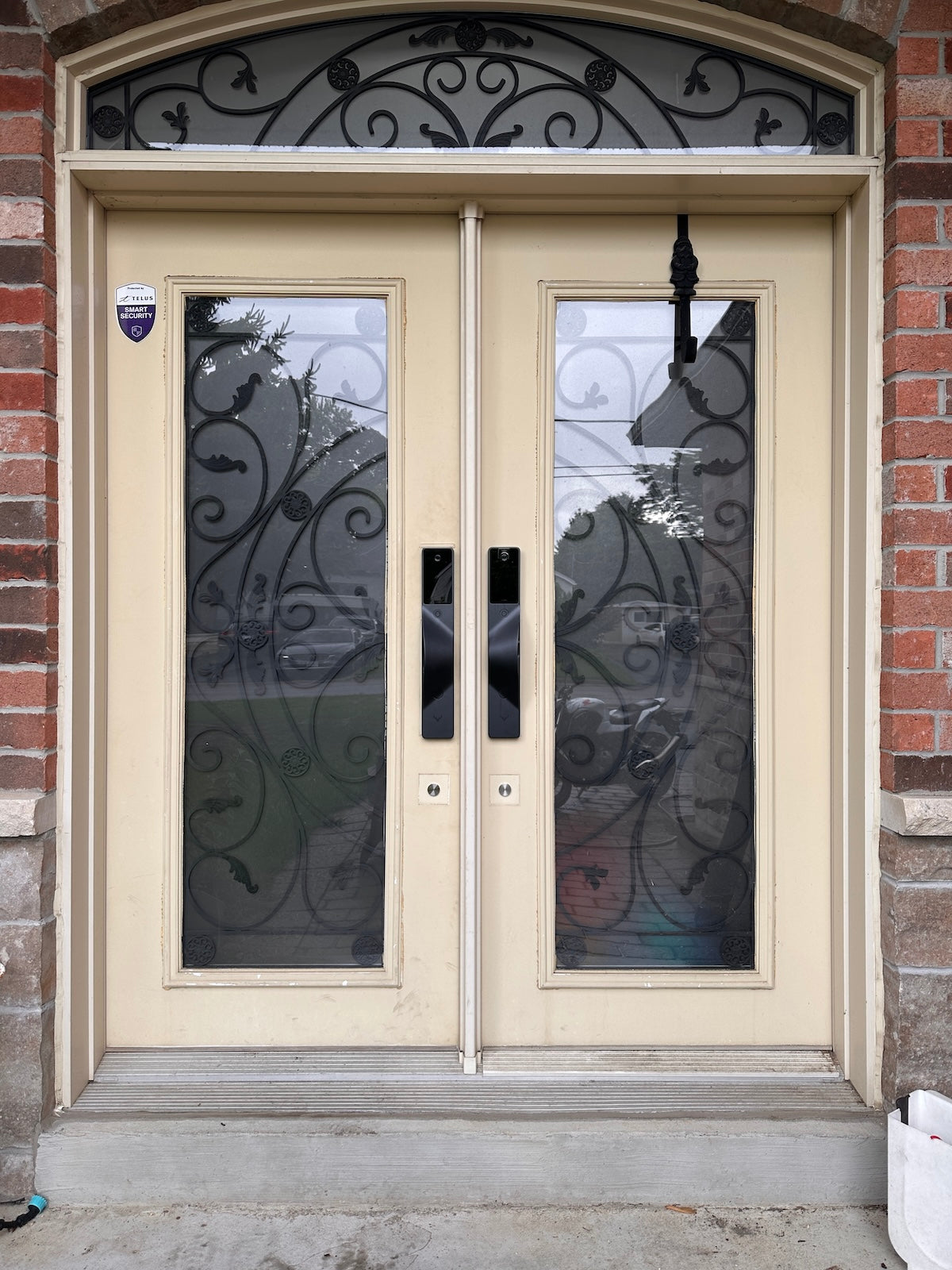
What Is a Smart Mortise Lock? (And How It Differs From a Deadbolt)
A smart mortise lock is a keyless entry door lock whose steel body sits inside a pocket cut into the door edge, rather than a bolt dropped through a hole in the face. BTRtec builds its range on this format, with fingerprint, vein, and face recognition models priced from $600 to $1,150 plus CAD, professional installation included.
A smart mortise lock is a powered lock whose steel body is set into a pocket cut into the edge of your door, combining the latch and the deadbolt into one heavy mechanism inside the door, with the keypad, readers, and batteries housed in the slim plates mounted on each face. It unlocks by fingerprint, face, palm vein, card, code, phone, or a mechanical key. It is the format the commercial and high-end residential world has trusted for over a century, and it is a different class of hardware from the bolt-on deadbolt most North American homes ship with.
If you are spending real money on a front door lock, the most expensive assumption you can make is that every smart lock is the same product in a different finish. They are not. The category is split down the middle, and the split is invisible from a product photo or a spec list. One side is a motor and a keypad wrapped around the same builder-grade deadbolt you already have. The other is a mortise lock, engineered into the door itself. Knowing which one you are actually buying is the difference between hardware that still feels solid in fifteen years and a gadget you replace in three.
This article explains what a smart mortise lock is, how it genuinely differs from a deadbolt, and why the mortise body is the premium tier rather than a fancier-looking version of the same thing. It also covers the two questions that actually matter before you buy: whether it will survive a Canadian winter, and whether it will fit your door.

What is a smart mortise lock?
A smart mortise lock is an electronic lock whose body is mortised, or recessed, into a pocket inside the edge of the door. That pocket holds the heavy part: a single steel mechanism that combines the latch keeping the door shut and the deadbolt securing it. The smart parts you actually touch, the keypad, the fingerprint or face reader, the screen, and the batteries, sit in the escutcheon plates fixed to the inside and outside faces of the door. The body does the locking. The plates do the reading.
That structure is the whole difference. A deadbolt and a mortise lock are not two styles of the same product. They are two different ways of putting a lock into a door, and the difference decides how it is built, how it lasts, and where it belongs.
Mortise lock vs deadbolt: the real difference
The lock on most Canadian and American front doors is a bored cylindrical lockset. An installer drills two round holes through the face of the door, one for the handle and one for the deadbolt, and the bolt sits in a relatively shallow housing. It is cheap to make, fast to fit, and fine for a builder finishing a subdivision. It is also why a generation of homeowners thinks of the deadbolt as the serious lock.
A mortise lock is fitted the opposite way. Instead of drilling through the face, an installer cuts a deep rectangular pocket into the edge of the door and seats a complete lock body inside it. Here is how the two compare on the things that matter.
|
Factor |
Bored cylindrical deadbolt |
Mortise lock |
|
How it is fitted |
Two round holes drilled through the door face |
A pocket cut into the door edge holding a full lock body |
|
Mechanism |
Latch and deadbolt as separate, shallow parts |
Latch and deadbolt integrated into one steel body |
|
Built for |
Mass-market residential |
Commercial, institutional, and high-end residential |
|
Daily feel |
Light |
Weighted, with the action of serious hardware |
|
Typical install |
A DIY swap |
A professional fitting |
The honest version of the security question is this. A mortise body is heavier-duty, engineered to tighter tolerances, and far more resistant to wear and manipulation over years of daily use, which is exactly why it never left the commercial and premium market. But the format alone does not make a door secure. Cutting a pocket into a door removes material, so a mortise lock fitted into a thin or poorly prepared door, hung in a soft frame, or held by a strike plate screwed in with half-inch screws is not protecting anything. The lock body matters. The door, the frame, and three-inch screws driven into the framing behind the jamb matter just as much. This is the part the listicles skip, and it is the reason mortise locks and professional installation belong in the same sentence.
How a smart mortise lock unlocks, and why that matters in winter
The point of a premium smart lock is not a long list of unlocking gimmicks. It is that you are never depending on a single way in. On a serious lock, the household has layered access: a fingerprint read by a sensor in the handle, palm-vein or three-dimensional face recognition on the higher models, a tapped card for a parent or a guest, a passcode, a one-time digital key you can issue and revoke from the app, phone unlocking, integration with Apple HomeKit on the models that support it, and a mechanical key as the final backstop.
That redundancy is not a spec-sheet flourish in this country. It is the difference between a lock that works in February and one that does not. A fingerprint reader can struggle with a cold, wet, or gloved hand, which is a real condition in Toronto, Ottawa, and Calgary for months at a time. The answer is not a better single sensor. It is that a frozen or gloved finger is never your only option: you tap a card, punch a code, use your phone, or fall back to face recognition. On the battery side, premium models such as the V5 Vision run dual lithium batteries so you can pull one to charge while the lock keeps running, rather than being locked out in a deep freeze. Buyers in Vancouver ask about damp and buyers in the prairies ask about cold, and the layered design is the answer to both.
On privacy, the rule on serious hardware is simple: your biometric data does not leave the lock. Fingerprint, vein, and face templates are encrypted and stored locally on a chip inside the door, not uploaded to a cloud server, and the core unlocking methods keep working when your internet does not. That is the line between a premium lock and a cheap connected gadget that stops working the moment the wifi drops.

What most North American homeowners get wrong
The first mistake is treating every smart lock as interchangeable. Most of the smart locks sold cheaply online are smart deadbolts: a motor and a keypad built around the same bored cylindrical bolt your builder installed. For a lightweight interior or secondary door, that is fine, and we would tell you so. It is not in the same class as a mortise body, and no amount of app features changes the bolt holding the door.
The second mistake is the opposite of what you might expect. People assume that caring how the lock looks is shallow, so they ignore design and shop on features. At a premium price point, the finish and the form are a legitimate part of the decision, because the outside plate is the part you and your guests actually see every day. The real error is assuming the handsome plate on the outside tells you anything about the body inside the door. It does not. A beautifully designed reader can sit on a weak bolt, and a plain one can sit on a serious mortise body. You want both, and you should not have to guess which you are getting.
The third mistake, and the costly one, is assuming a smart mortise lock is a weekend job.
Do I need professional installation?
For a smart mortise lock, in almost every case, yes. Here is the situation we see constantly: a homeowner buys a smart lock online, goes to remove their old deadbolt, and discovers their door has two round holes where a mortise lock needs a clean rectangular pocket. Retrofitting from a cylindrical prep to a mortise prep, or cutting a fresh pocket, takes a mortising jig and a plunge router, and one slip permanently scars the edge of the door. A bored deadbolt swap is genuinely a DIY job. A mortise body usually is not.
Fit comes down to a few measurements an installer confirms before anything is cut: the thickness of your door, the backset, and the width of the stile. Most North American exterior doors are one and three-quarter inches thick, but older doors are often one and three-eighths, and that single number changes what can be fitted. This is exactly why the honest first step is not a purchase. It is checking whether your specific door can take the lock at all. You can check if your door is compatible before you spend a dollar, and we cover the full measuring process in our guide on whether a smart mortise lock will fit your door.
One important exception is worth naming, because it is common at the high end. If you own an expensive custom, pivot, or multi-point door, the kind where lifting the handle throws bolts into the top and bottom of the frame, that is a specialized category beyond a standard mortise lock and it needs its own assessment. We cover it in our guide to smart locks for multi-point, pivot, and custom doors.
Which smart mortise lock is right for you?
Premium does not mean one model for everyone. Across the BTRtec range, the X9 is a handle-integrated fingerprint lock for the buyer who wants clean, fast, everyday access without a camera. The S5 adds palm-vein recognition, which reads the vein pattern under the skin and is the answer for worn or unreliable fingerprints. The S6 Max combines vein and face recognition with a video doorbell. The V5 Vision is the flagship: three-dimensional face recognition that opens as you approach, a 2K video doorbell, Apple HomeKit integration, a slim sixteen-millimetre profile, and an industrial design by Hartmut Esslinger. The right one depends on your door, your household, and how you want to get in. You can see the full range of premium smart mortise locks and compare them in one place.
How BTRtec handles this
BTRtec sells premium smart mortise locks and installs them, which is the part most of the category leaves to you. Over more than six years we have installed over 10,000 locks across North America, on standard doors and on the non-standard ones the mass-market brands quietly avoid. Our technicians are certified, installation is included rather than billed as an extra, and every job starts by confirming your door is a fit instead of shipping you a box and wishing you luck.
That experience is why we are firm about the mortise-versus-deadbolt distinction, and honest about its limits. We have seen a heavy mortise body forced into a door that was never prepped for it, and we have seen how long a properly fitted one lasts. The hardware matters. The fit matters just as much.
FAQ
What is a smart mortise lock?
It is an electronic lock whose steel body is recessed into a pocket cut into the edge of the door, combining the latch and deadbolt into one mechanism, with the readers, keypad, and batteries housed in the plates on the door faces. It unlocks by methods such as fingerprint, face, palm vein, card, code, phone, or a mechanical key.
What is the difference between a mortise lock and a deadbolt?
A deadbolt is a single bolt in a bored cylindrical housing drilled through the face of the door. A mortise lock is a complete lock body seated in a pocket cut into the door edge, integrating the latch and deadbolt into one heavier, longer-lasting mechanism.
Is a mortise lock more secure than a deadbolt?
A mortise body is heavier-duty and resists wear and manipulation better, but security is a system. A mortise lock in a thin door, a soft frame, or a strike plate held by short screws is not secure. The door, the frame, the screws, and a professional fit matter as much as the lock.
Can I install a smart mortise lock myself?
Usually not. Fitting a mortise body requires cutting or matching a rectangular pocket in the door edge with specialized tools, and mistakes permanently damage the door. A bored deadbolt swap can be a DIY job, but a smart mortise lock is best installed by a professional.
Are smart mortise locks good?
For an owned home with a real exterior door, they are the premium choice: a heavier body, layered access that still works with cold or gloved hands, and build quality the commercial market has trusted for generations. For a temporary or lightweight door, a smart deadbolt may be enough.
How much does smart mortise lock installation cost?
Nothing extra with BTRtec. Professional on-site installation is included in the product price, so a lock listed at $600 CAD costs $600 CAD installed. Installation is available in Toronto, Vancouver, Calgary, Waterloo, Ottawa, and Montreal, and in six major US cities.
Is a smart mortise lock the same as a keyless entry door lock?
A smart mortise lock is one category of keyless entry door lock, distinguished by a steel body recessed into the door edge rather than a motor added to a bored deadbolt. Both let you in without a physical key, but the mortise format is built for daily wear over a much longer lifespan.
Does a smart mortise lock store my fingerprint or face data online?
No. On BTRtec locks, fingerprint, face, and vein data are converted into an encrypted template and stored locally on a chip inside the door, never uploaded to a cloud server. Video models keep a limited window of free rolling cloud storage for doorbell clips only, which is a separate function from biometric storage.
Will a smart mortise lock work if my Wi-Fi goes down?
Yes. Core unlocking methods such as biometrics, codes, and the mechanical key operate offline because the credentials live on the lock itself, not in the cloud. Only remote features, such as phone notifications, depend on an internet connection.
See the range
If your front door deserves better than the lock your builder bolted on, the mortise format is where to look. Start by seeing the range of premium smart mortise locks, then take two minutes to check if your door is compatible. There is no pressure to buy. The first step is simply finding out what your door can take, and we will give you a straight answer either way.
There is no pressure to buy. The first step is simply finding out what your door can take.
Check if your door fits