
Biometric Mortise Locks: Fingerprint vs Face vs Vein Recognition
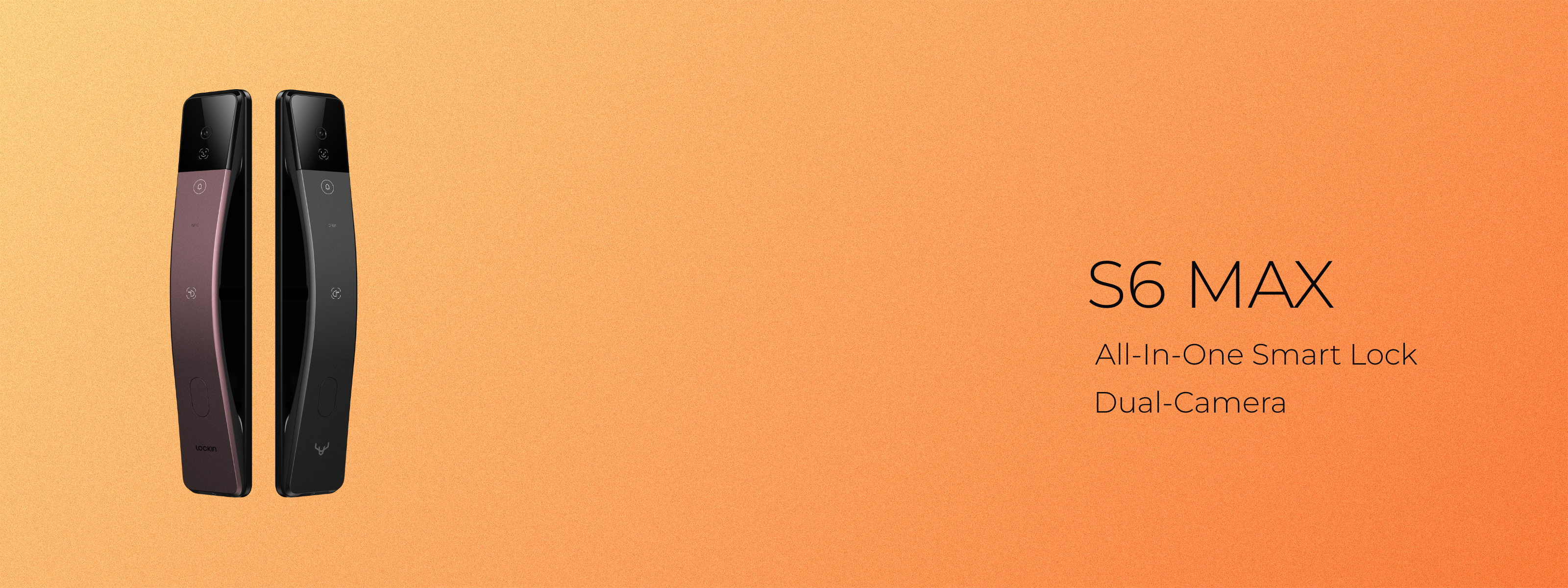
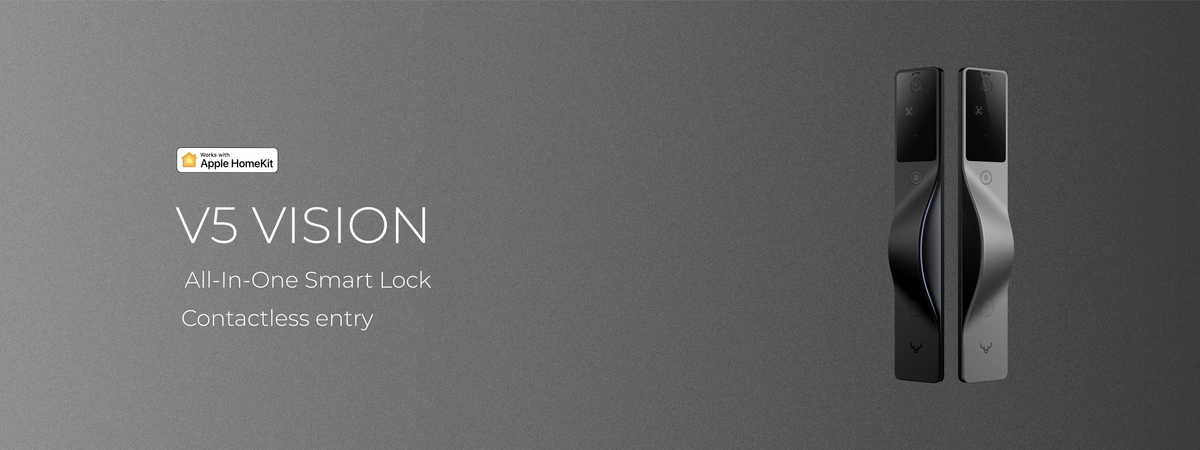
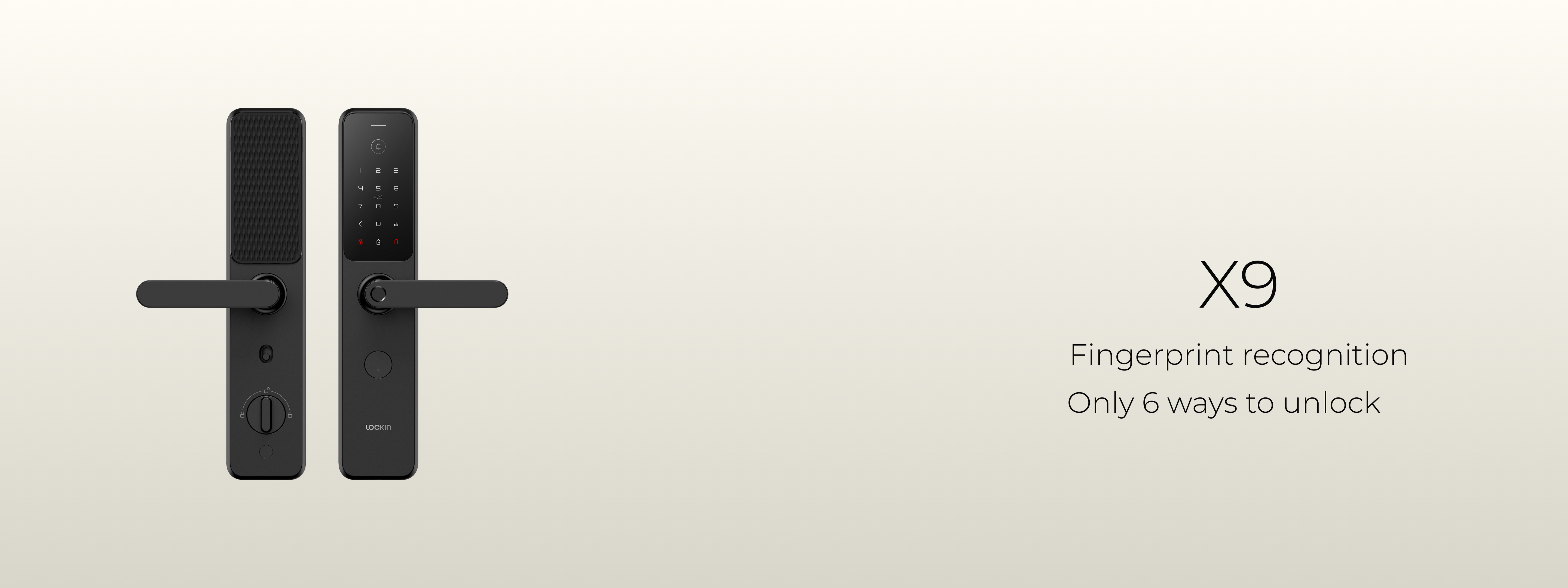
Fingerprint, three-dimensional face, and finger-vein recognition read different parts of the body and fail in different ways, so the right biometric door lock depends on the household, not a single best answer. BTRtec maps each method to a model: fingerprint on the X9, vein on the S5, and face recognition alongside a video doorbell on the S6 Max and V5 Vision.
Most biometric door lock guides compare price and star ratings and never explain the one thing that matters: how each method reads you, and which one is hardest to fool. That is the comparison worth having, because a fingerprint, a face scan, and a vein scan are not three flavours of the same technology. They read completely different things, they fail in different ways, and on a front door those differences decide who gets in.
This is the comparison done on the merits. It covers how fingerprint, three-dimensional face, and finger-vein recognition each work, where each one is strong and where it lets you down, and which belongs on your door. If you have never heard of vein recognition, start there, because it is the method the budget brands cannot offer and the one many people would choose if they understood it.

What is a biometric mortise lock?
A biometric mortise lock is a premium lock, set into the edge of the door, that you open with a part of your body rather than a key or a code. Instead of a bolt-on keypad, the reader is built into serious hardware, and depending on the model it recognises your fingerprint, your face in three dimensions, or the vein pattern beneath your skin. The biometric part is how you unlock. The mortise part is why it is built to last. One more thing to know up front: a premium lock does not force you to pick a single method and live with it. The better models carry several, so you use whichever suits the moment, with the rest as backup.
The three biometric methods, compared honestly
Fingerprint. A fingerprint reader maps the ridges on the surface of your fingertip. On a good lock this is done by a semiconductor sensor rather than a cheap optical one, and it is fast, familiar, and the lowest-cost biometric to build. Its weaknesses are physical. The surface of a finger changes: cold, wet, dirty, cut, or worn-smooth fingers read poorly or not at all, which is a recurring problem in a Canadian winter and for older hands and young children. And because a fingerprint sits on the outside of the skin, it is the least private of the three: you leave copies of it on everything you touch. The honest caveat for the whole category belongs here too: a cheap fingerprint sensor with a loose false-acceptance setting and no liveness detection is the easiest biometric to fool, which is why on this method especially, the quality of the sensor matters as much as the idea of a fingerprint.
Three-dimensional face recognition. This is not the camera face-unlock on cheap locks, which a printed photo can sometimes fool. A proper system uses structured light: it projects thousands of invisible dots onto your face and reads the depth of each one, building a three-dimensional map rather than a flat picture. BTRtec's face models, for example, project around 30,000 points of light to capture over 1,000 facial points with millimetre-level accuracy. Because the system reads depth, it works in complete darkness and is far harder to fool with a photo or a screen than a 2D camera. It is also the most convenient method, since it unlocks hands-free as you walk up with your arms full. Its honest limits are practical: it needs to see your face, so a full-face covering means falling back to another method, though normal day-to-day changes like a hat, glasses, or a beard are what enrolment and the lock's learning are built to handle.
Finger-vein recognition. This is the one the budget shelves do not carry, and the one worth understanding. A vein reader shines near-infrared light through your finger and reads the pattern of veins beneath the skin. That single difference, reading inside the body rather than on its surface, is what makes it the most secure of the three in everyday use. A vein pattern is internal, so you do not leave it on door handles and glasses the way you leave fingerprints, and it cannot be lifted from a surface and copied. It is stable and effectively unique to you. It is not magic, no biometric is unbeatable, and a quality sensor with liveness detection still matters, but for the threats a home actually faces it is the hardest of the three to spoof. It also solves the fingerprint problem outright: because it ignores the surface of the skin, it reads worn, wet, cold, or damaged fingers that defeat a fingerprint sensor, with a natural finger placement rather than any awkward contortion, which is exactly why households with older parents or young children gravitate to it.
The comparison at a glance
|
Fingerprint |
3D face recognition |
Finger-vein |
|
|
What it reads |
Surface ridges of the fingertip |
Depth map of your face |
Vein pattern beneath the skin |
|
Works in the dark |
Yes |
Yes |
Yes |
|
Cold, wet, or worn fingers |
Often struggles |
Not affected (reads your face) |
Reads them well |
|
Hands-free |
No |
Yes, as you approach |
No |
|
Left on surfaces you touch |
Yes |
No |
No |
|
Everyday spoof-resistance |
Lowest of the three |
High |
Highest of the three |
|
Best for |
Familiar, fast everyday access |
Convenience, arms full, a video doorbell |
Whole-household reliability and security |
So which is better, fingerprint or face? For pure convenience, three-dimensional face wins, because it is hands-free at six in the evening with two bags of groceries. For security and reliability across every member of a household, vein recognition wins, because it reads what is under the skin rather than on it. Fingerprint is the familiar, accessible entry point, and on a premium lock it is perfectly good, it is simply the least future-proof of the three. On a lock that carries more than one, the real answer is to lead with the method that suits your life and keep the others as backup.
What most people get wrong about biometric locks
The first mistake is assuming all biometrics are equally secure. They are not. A surface fingerprint and a sub-dermal vein scan are worlds apart in how easily they can be copied, and a true three-dimensional face scan is a different proposition from a phone-style camera unlock. The reader on the door is the actual security model, not a feature checkbox, and the quality of that reader matters as much as the method it uses.
The second mistake is the fear in the wrong place. People worry their face or fingerprint will be stolen from the lock and worry far less about the cheap sensor and weak override cylinder on a budget biometric deadbolt, which is where real-world entry actually happens. On serious hardware the biometric data is the safe part, as the next section explains.
The third is buying the reader and ignoring the lock. A face scanner on a flimsy bolt is a flimsy lock with a clever doorbell. The point of a biometric mortise lock is that the security behind the reader matches the technology in front of it.
Is biometric data on these locks private and secure?
This is the question that stops most people, and the honest answer is reassuring on serious hardware. Your biometric data does not leave the lock. Your fingerprint, face, and vein are converted into an encrypted template, not a photograph, and stored locally on a secure chip inside the door. That template is not uploaded to a cloud server, so there is no online database of your face to be breached. App features such as remote notifications or unlocking your door from your phone do use the internet, but those are commands and alerts; your biometric template itself stays on the lock. Confirming that distinction is the single most important thing to check before buying any biometric lock.
Two practical fears follow, and both have clean answers. What happens if the power or the wifi fails? The biometric and code unlocking work offline, because the templates live on the lock, not in the cloud, so a dropped internet connection does not lock you out. And when the battery does eventually run down, a premium lock keeps a fail-safe: a mechanical key, and on some models an emergency power option to bring it back to life, so you are never stranded. Can a fingerprint lock be hacked? The film version of lifting a print and moulding a fake is much harder in reality than it looks and requires a high-fidelity replica; the easier real-world failure is a cheap sensor with no liveness detection, which is a hardware-quality problem, not a reason to avoid biometrics. Choosing vein or three-dimensional face removes the surface-copy concern, choosing a lock with a quality sensor addresses the liveness concern, and choosing one that stores templates encrypted and on-device removes the data-breach concern.
Managing access is the quiet advantage here. A biometric mortise lock lets you enrol each family member on the method that suits them, hand a tenant or a guest a temporary code or a card, and revoke any of it in seconds, all without cutting a key.
Which biometric lock is right for you
For a household that wants the most secure, most inclusive option, one that works for worn fingers, elderly hands, and small children, vein recognition is the answer, and the BTRtec S5 is built around it. For the household that wants hands-free convenience and a video doorbell at the door, three-dimensional face recognition is the draw, and the V5 Vision pairs it with a 2K camera and Apple HomeKit, which we cover alongside app access in our guide to Apple Home Key and app access. For the household that wants both vein and face on one door, with dual cameras to watch the step and the package on the ground, the S6 Max combines them. And for the buyer who wants clean, fast, everyday fingerprint access without a camera, the X9 is the accessible way in. Any of them can be matched to your door from the range of premium smart mortise locks.
BTRtec biometric models at a glance
The X9 is a handle-integrated fingerprint lock with a fast semiconductor sensor, for everyday access without a camera. The S5 is built on three-sided finger-vein recognition, the most secure and most inclusive method, with a long-life battery. The S6 Max combines vein and three-dimensional face recognition with a dual-camera video doorbell and an indoor screen. The V5 Vision leads with structured-light three-dimensional face recognition, a 2K video doorbell, and Apple HomeKit. The right one depends on which method matters most to your household and on your door, which is confirmed before you buy.
FAQ
Which is better, fingerprint or face recognition door lock?
For hands-free convenience, three-dimensional face recognition is better, because it unlocks as you approach. For security and reliability across a whole household, vein recognition is better, because it reads the pattern beneath the skin rather than the surface. Fingerprint is the familiar, accessible option and is perfectly good on a premium lock. On a lock that carries more than one, you do not have to choose just one.
What is a vein recognition lock?
It is a lock that opens by reading the vein pattern beneath the skin of your finger using near-infrared light. Because the pattern is internal, it cannot be lifted from a surface like a fingerprint, which makes it the hardest of the three to spoof in everyday use, and it reads worn, wet, or cold fingers that defeat fingerprint sensors.
Are biometric door locks safe?
On premium hardware, yes. The safety depends on three things: the method, where vein and three-dimensional face are harder to fool than a surface fingerprint or a camera unlock; the quality of the sensor, including liveness detection; and where your data is stored, which on a serious lock is an encrypted template kept on the lock itself rather than in the cloud.
Can a fingerprint lock be hacked?
Not easily on quality hardware. Lifting and copying a print requires a high-fidelity replica and is much harder than films suggest. The more common real-world weakness is a cheap sensor with no liveness detection, which is why sensor quality matters. A premium lock stores fingerprint data as an encrypted template on-device, and vein or face recognition removes the surface-copy concern entirely.
Where is my fingerprint or face data stored?
It is converted to an encrypted template, not a photograph, and stored locally on a secure chip inside the door. The template is not uploaded to a cloud server, so there is no online database of your biometrics to be breached, even though app features like remote alerts use the internet.
Do biometric locks work if the power goes out?
Yes. The biometric and code unlocking work offline because your data is stored on the lock, not the cloud. When the battery runs low a premium lock keeps a mechanical key as a fail-safe, and some models add an emergency power option, so a dead battery or a dropped internet connection does not lock you out.
If someone removes or steals the lock, can they get my biometrics?
No usable copy. Your fingerprint, face, or vein is stored as an encrypted template on a secure chip, not as an image, so taking the lock off the door does not hand anyone a working copy of your biometrics. The template is meaningless without the lock that created it.
What is a face recognition door lock and how is it different from face unlock on a phone?
A face recognition door lock built for security, such as the BTRtec V5 Vision or S6 Max, uses structured light to project thousands of points onto your face and build a three-dimensional depth map. That depth data is much harder to fool with a photo or screen than the flat, two-dimensional face unlock used on most phones.
Which biometric lock is best for a household with children and grandparents?
Finger-vein recognition tends to suit mixed-age households best, since it reads the vein pattern beneath the skin rather than the surface, so it works reliably for small children and older or worn fingers. The BTRtec S5 is built around this method for that reason.

See the biometric range
If you want a lock that recognises you and is built to last, the method is the place to start. See the range of premium smart mortise locks, then check if your door is compatible, and match the fingerprint, face, or vein model that suits your household to your door.
There is no pressure to buy. The first step is simply finding out what your door can take.
Check if your door fits